
The Woodcutter’s Choice
Hansel and GretelThe Woodcutter’s affection for his children is repeatedly overcome by fear and pressure, then returns as remorse at their homecoming.
increasing Bearing strength in each event
 decreasing
Bearing strength in each eventdecreasingReluctant Refusal
Reluctant Refusal
A father’s objection
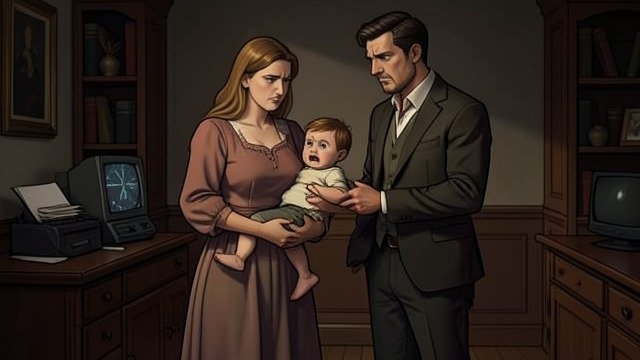
The Woodcutter loves Hansel and Gretel and initially rejects the proposal to abandon them. He understands that the forest may kill them.
His objection shows that affection remains present even as poverty makes the family desperate. He nevertheless lacks the resolve to protect the children against his wife’s pressure.
Consent under pressure
The Stepmother argues that all four will starve otherwise. The Woodcutter is persuaded, and his moral resistance gives way to a decision he will regret.
Brief Relief
Brief Relief
Joy at the door
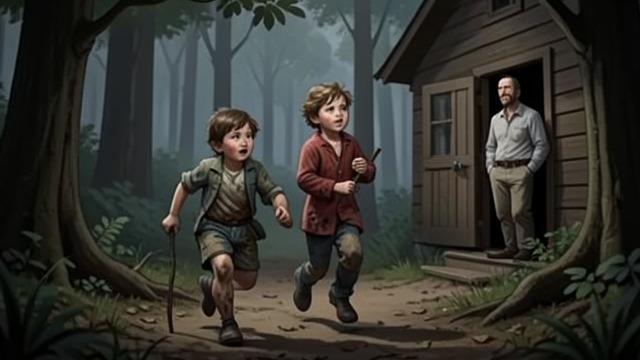
Hansel and Gretel find their way home using White Pebbles. The Woodcutter is immensely glad to see them and regrets having left them behind.
His welcome reveals the emotional cost of his earlier consent. Yet he does not confront the conditions that made the abandonment possible.
An unstable household
The family lives together again for a time. The reunion delays the crisis rather than resolving the hunger that threatens to divide them again.
Remorse and Reunion

Remorse and Reunion
A father’s regret
When Hansel and Gretel return from the forest, the Woodcutter greets them with joy. He has regretted abandoning them every day since they disappeared.
His remorse now meets the children’s presence rather than their absence. The reunion gives him a chance to welcome them back, though it cannot undo what they endured.
A changed future
The jewels and pearls the children bring home promise relief from want. Their return closes the Woodcutter’s arc with family restored and material security newly possible.
the first night of the crisis
the morning after the first abandonment
at the ending
